Examining Regulatory Effects on Bitcoin Incentives Within Regulated French Digital Casino Platforms
Écrit par Zoe Foster · 19/9/2026

Examining Regulatory Effects on Bitcoin Incentives Within Regulated French Digital Casino Platforms
Regulatory frameworks in France shape how Bitcoin incentives operate inside licensed digital casino platforms through a combination of licensing requirements, anti-money laundering protocols, and consumer protection measures that directly influence bonus structures and reward distributions.
France maintains strict oversight via the Autorité Nationale des Jeux which enforces rules on all forms of online gambling including those accepting cryptocurrency deposits and withdrawals so operators must align Bitcoin-based promotions with existing legal standards rather than offering unrestricted rewards.
Core Regulatory Mechanisms Affecting Incentives
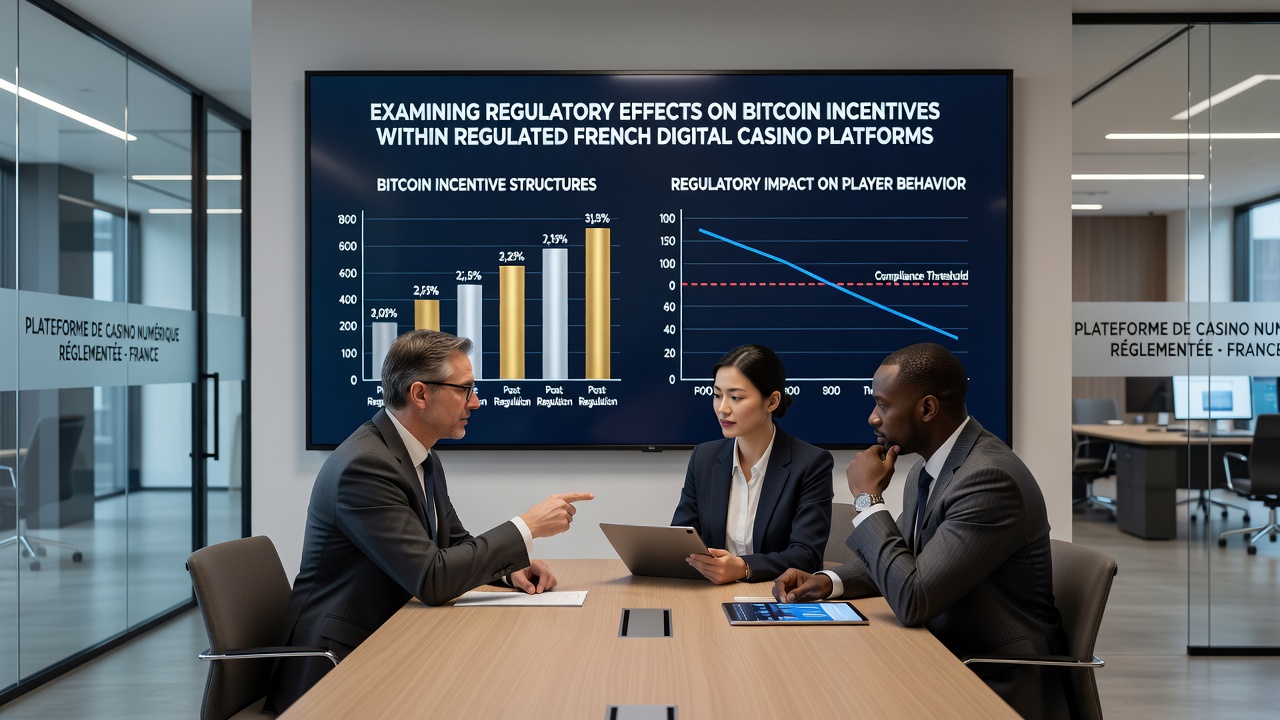
Operators holding French licenses face mandatory verification steps before any Bitcoin incentive activates and these steps include identity checks plus transaction monitoring that often delay or limit the size of initial deposit bonuses paid in digital assets while data from regulatory filings shows consistent application across platforms since the last major policy updates.
Transaction reporting obligations require platforms to track Bitcoin flows above certain thresholds and this process reduces the flexibility of loyalty programs that once relied on rapid crypto payouts yet maintains transparency that aligns with broader European directives on financial instruments.
Impact on Bonus Structures and Player Rewards
Bitcoin incentives in French regulated environments typically appear as matched deposits or cashback offers but caps on promotional value and wagering requirements tied to fiat equivalents constrain how much operators can distribute in cryptocurrency form and recent compliance reports indicate that many platforms now convert rewards to stablecoin equivalents to satisfy audit trails.
Those who've examined licensing conditions note that platforms must disclose all incentive terms in French language interfaces which adds administrative layers and sometimes results in simpler reward tiers compared to unregulated markets while still allowing operators to compete through volume-based loyalty points redeemable in Bitcoin.
September 2026 Developments and Their Reach
Updates scheduled for September 2026 introduce enhanced digital asset reporting templates that will require platforms to log every Bitcoin incentive transaction with timestamps and wallet addresses and this change builds on existing AML frameworks without prohibiting crypto rewards outright.
Industry analyses from that period project modest adjustments to maximum bonus percentages across licensed sites as operators recalibrate to meet new data submission standards yet maintain competitive offerings within the regulated space.
Comparative Elements Across Jurisdictions
French rules differ from those in other regions where cryptocurrency incentives face lighter scrutiny and observers point to Canadian provincial models that permit broader crypto promotions as a contrast yet French platforms continue to attract players through secure licensed environments that emphasize verified transactions over expansive reward pools.
According to Autorité Nationale des Jeux documentation French operators must integrate Bitcoin incentives into their overall responsible gambling strategies which includes spending limit tools that apply equally to crypto and traditional currency balances and this integration creates uniform player protections across payment methods.
Operational Adjustments by Licensed Platforms
Many French digital casino operators have shifted toward tiered Bitcoin incentive programs that unlock gradually after sustained play rather than immediate large deposits and this approach satisfies regulatory demands for controlled risk exposure while still delivering value to regular users through accumulated rewards.
Research from European gaming associations indicates that such structured programs correlate with higher retention rates under regulated conditions because players encounter predictable terms that avoid sudden policy shifts and platforms document these patterns in annual compliance submissions.
Future Outlook Grounded in Current Trends
Continued alignment between Bitcoin technology and French regulatory expectations points toward standardized incentive protocols that incorporate blockchain analytics tools for real-time oversight and these tools already appear in pilot programs at several licensed sites ahead of the September 2026 timeline.
Evidence from industry reports shows platforms adapting incentive models to include educational components about digital asset volatility which regulators encourage as part of broader consumer awareness efforts without mandating specific content formats.
Conclusion
French regulatory effects on Bitcoin incentives within licensed digital casino platforms center on verification, reporting, and integration with consumer safeguards that together define the boundaries of permissible rewards and operators respond by refining their programs to meet these standards while preserving competitive elements.
Data from oversight bodies and compliance filings continues to shape how these incentives evolve and the September 2026 updates will further standardize practices across the sector.