Charting encrypted fund pathways through compliance-aligned live dealer interfaces in national betting frameworks
Écrit par Noah Bauer · 17/10/2026

Charting encrypted fund pathways through compliance-aligned live dealer interfaces in national betting frameworks
National betting frameworks across multiple jurisdictions have developed structured approaches to monitor encrypted fund movements through live dealer platforms, and these systems combine blockchain verification with real-time compliance checks that align with anti-money laundering requirements, while operators integrate digital asset protocols directly into table game interfaces to maintain transaction integrity during sessions that extend from October 2026 onward.
Core Components of Encrypted Pathways
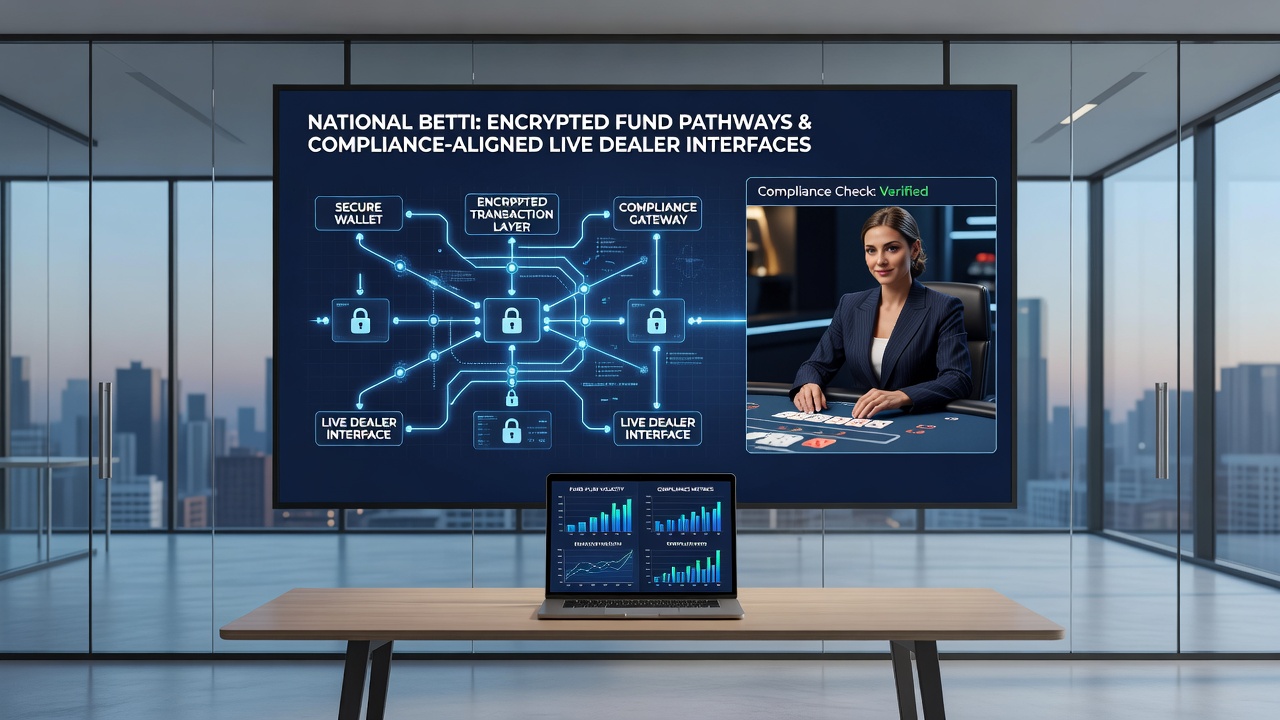
Encrypted fund pathways consist of layered encryption protocols that secure cryptocurrency transfers from player wallets to operator accounts, and these pathways incorporate timestamped blockchain entries that allow regulators to trace each transaction without exposing sensitive player data, yet compliance teams review the flow against established national standards that require verification at multiple points along the route.
Live dealer interfaces serve as the operational bridge where encrypted transactions intersect with real-world game outcomes, and software developers embed compliance modules that flag unusual patterns such as rapid successive deposits or withdrawals exceeding predefined thresholds, while data from these interfaces feeds directly into centralized monitoring systems used by oversight bodies.
Regulatory Alignment Across Jurisdictions
Authorities in different regions have established mapping protocols that connect cryptocurrency transaction logs to session records from virtual tables, and these alignments ensure that every encrypted transfer meets local licensing conditions, although the specific technical requirements vary from one national framework to another depending on the maturity of digital asset legislation.
One study conducted by the Government of Canada examined how provincial regulators verify blockchain timestamps against live dealer session logs, and the findings indicate that integrated verification layers reduce discrepancies between reported and actual fund movements, while similar efforts appear in Australian state-level frameworks that require operators to maintain immutable records accessible during routine audits.
Technical Mechanisms in Practice
Operators deploy multi-signature wallet systems that require approval from both the platform and an independent compliance node before funds move into a live dealer environment, and this architecture prevents unauthorized alterations while preserving the speed necessary for seamless gameplay, yet each signature event generates an auditable entry that regulators can review without interrupting ongoing tables.
Encryption standards such as AES-256 combined with zero-knowledge proofs allow platforms to confirm that a player possesses sufficient digital assets without revealing wallet balances to the dealer interface, and these methods have become standard in frameworks that updated their technical specifications ahead of October 2026 deadlines, while industry reports from the European Gaming and Betting Association document gradual adoption rates across member states.
Monitoring and Verification Processes
Real-time dashboards aggregate data from both the blockchain layer and the live dealer software, and compliance officers use these tools to cross-reference transaction hashes with game round identifiers, although automated alerts trigger manual reviews when patterns suggest potential violations of responsible gambling or anti-money laundering rules, and this dual-layer approach has been adopted by several national regulators seeking to balance player privacy with oversight obligations.
Training programs for staff at licensed operators now include modules on recognizing anomalies in encrypted fund flows, and these sessions emphasize the importance of maintaining separation between operational access and regulatory reporting channels, while case examples shared at international conferences illustrate how early detection prevented larger compliance issues in live dealer environments.
Future Developments in Framework Integration
Updates scheduled for late 2026 focus on expanding interoperability between different national systems so that encrypted pathways can be tracked across borders when players participate in multi-jurisdictional events, and pilot programs have already tested shared ledgers that maintain compliance alignment without compromising individual regulatory autonomy, whereas technical working groups continue to refine standards for latency and data security during high-volume live dealer periods.
Conclusion
National betting frameworks continue to refine the charting of encrypted fund pathways through compliance-aligned live dealer interfaces, and the combination of blockchain verification, real-time monitoring, and jurisdiction-specific rules creates a structured environment where digital asset transfers remain traceable, while ongoing technical adjustments ensure these systems keep pace with evolving regulatory expectations through October 2026 and beyond.